EN




Roll-On Bottle Sizes Explained: How to Choose Capacity for Deodorant and Personal Care
 2026-10-15
A roll-on bottle can hold a few milliliters of fragrance or enough deodorant for a full-size retail product. Those packs may share the same basic mechanism, but they ask very different things of the bottle, ball, label, and filling line. For deodorant, 50 ml and 75 ml are useful starting points; a 10 ml pack makes more sense for a perfume oil, targeted application, or trial. The right capacity is the one that suits the formula, the way customers use it, and the finished pack dimensions, not simply the largest number available.
HONGDA PLASTICS offers roll-on formats from small glass packs to larger plastic deodorant bottles. The examples below show how to narrow the choice before requesting samples. Capacity alone does not establish how much product will dispense per stroke or whether a formula will stay sealed.
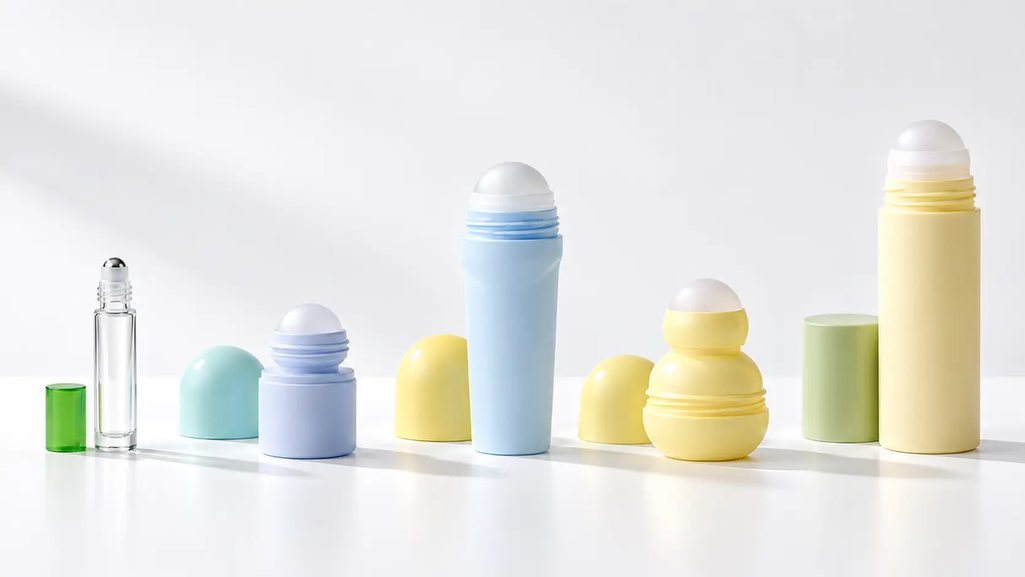
Start With the Product, Then Choose a Size
Consider a shopper applying deodorant across an underarm each morning. The applicator needs to cover an area comfortably, and the bottle must feel manageable in one hand. Now consider a fragrance oil dabbed on a wrist. A compact bottle with a smaller ball makes far more sense. Both are roll-ons, but ordering by capacity alone would overlook the difference that matters at the point of use.
The table is a selection guide, not a rule that ties any formula to one capacity. Dimensions and ball sizes vary by model; request the current drawing before finalizing artwork or tooling.
|
Nominal capacity |
Where it may fit |
What to check first |
|---|---|---|
|
2–15 ml |
Perfume oils, essential-oil blends, targeted care, samples |
Small ball, controlled application, ingredient compatibility |
|
30 ml |
Compact personal-care or trial retail packs |
Hand feel, usable label area, filling volume |
|
50 ml |
Everyday deodorant and selected fragrance or body-care formats |
Ball diameter, shelf dimensions, formula flow |
|
75 ml |
Larger deodorant presentation |
Grip, applicator coverage, filled weight |
|
90–100 ml |
Higher-capacity daily-care packs |
Shelf space, filled weight, cap and fitment fit |
This range reflects available designs rather than a universal market standard. HONGDA’s 10ml glass roll-on bottle uses a 10 mm ball for a small fragrance or oil pack. It should not be treated as a miniature version of a wide-ball deodorant package.
What Does 50 ml Actually Buy You?
For a new deodorant line, 50 ml is often a practical size to prototype. It leaves room for a recognizable retail pack without committing to a much larger bottle. HONGDA’s 50ml tapered deodorant bottle is a PP design with a 35.56 mm ball. That specification says more about the intended application experience than the capacity figure alone.
Still, 50 ml does not tell a buyer how many days the product will last. The amount transferred depends on the formula, ball movement, application area, and each person’s habits. A claimed number of uses needs actual dispensing tests. Even two 50 ml designs can look and feel quite different: a glass bottle, a tapered plastic pack, and a squat bottle do not offer the same weight or label footprint.
When comparing quotes, ask for the bottle’s overall height and width, neck finish, ball diameter, cap type, and recommended filling level. Give the filler the drawing. A nominal 50 ml capacity should not be casually translated into a 50 ml fill target without checking headspace and assembly requirements.
When a 75 ml or 100 ml Pack Makes Sense
A larger pack can suit a full-size deodorant line that wants a more substantial shelf presence. HONGDA’s 75ml wide-ball deodorant bottle pairs a PP bottle with a 37.7 mm ball. The larger ball may change the feel of an underarm application, though actual flow still depends on the liquid and fitment. Test it with the intended formula rather than choosing it from a photograph.
At 100 ml, the package grows again, but the applicator does not necessarily grow with it. HONGDA’s 100ml roll-on bottle lists a 35.56 mm ball. That is smaller than the listed ball on the 75 ml model above. This is a useful reminder that capacity and applicator diameter are separate specifications, not two points on a single scale.
Compare the filled weight and how the container sits in a hand. A larger bottle can be attractive on a shelf yet awkward in a gym bag or difficult to use near the end of the fill. Check the cap clearance and case-pack dimensions as well. Those concerns are easy to miss when the conversation stops at milliliters.
Small Roll-Ons Are a Different Purchase
The 2–15 ml range is especially relevant to fragrance oils, concentrated blends, and targeted personal-care products. A buyer may value precise placement, portability, or a discovery size more than broad skin coverage. Small packs also leave less space for required label copy, so confirm the finished decoration area early.
Material changes the decision. Glass can present a fragrance oil differently from plastic, while plastic can reduce pack weight and offer different shapes or decoration options. Neither material is automatically compatible with a particular oil, solvent, or active ingredient. HONGDA also lists a 50ml glass roll-on bottle with a 28.6 mm ball, illustrating that glass is not limited to tiny fragrance vials. Compare the complete assemblies, not just the bottle bodies.
If a small format is intended for deodorant sampling, evaluate whether the ball covers the application area comfortably. A miniature pack can carry the liquid but still give a poor impression of the full-size product. Sampling should reveal the formula’s performance, not create an avoidable applicator problem.
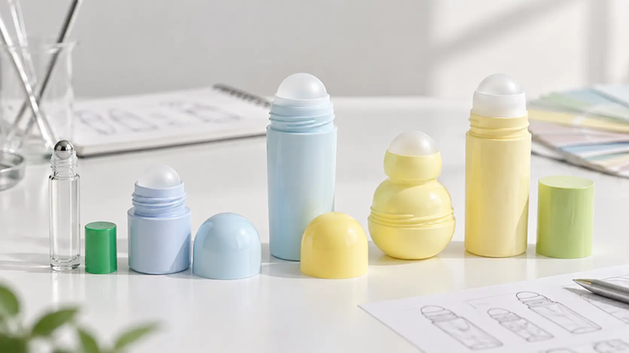
Capacity Is Only One Part of the Dispensing System
A roll-on package has a bottle, ball, housing or fitment, and cap. The ball needs to rotate while the surrounding parts retain the product during normal storage and handling. Formula viscosity and surface tension can change how readily liquid reaches the ball. Material choice and the clearance around the ball also affect movement and leakage risk.
That is why a water-filled sample is a starting check, not a formula approval. Water and a finished deodorant may behave differently in the same assembly. Test the actual formula, then examine the package upright, inverted, and after the handling conditions relevant to the proposed distribution. Assess application feel, leakage, ball retention, and any change in components over the intended test period. Ask the supplier and filler to agree on pass criteria before the trial begins.
When a formulation is unusually thin, thick, oily, or rich in solvent, share that information at the first packaging discussion. HONGDA’s component matching and customization capabilities cover the bottle, roller, and cap choices that need to work together. A different ball material or fitment may matter more than moving from 50 ml to 75 ml.
A Shortlist for a Real Purchase Order
Send a brief that names the product type and intended fill rather than asking for a generic “roll-on bottle.” Include the formula or a meaningful description of it, expected annual volume, sales market, preferred material, target capacity, and any decoration needs. If the formula is confidential, provide enough physical properties for an initial fit discussion and arrange a controlled sample test.
Request drawings and physical samples for at least two plausible sizes. Put them beside the actual label copy and secondary packaging. Have the filling team confirm fill level, assembly method, and line handling; have the product team try the roller on the intended application area. A tabletop comparison often settles questions that a catalog cannot.
Then compare quotations on the same basis. A bottle-only price is not equivalent to a price for bottle, ball, housing, and cap. Confirm component materials, decoration, minimum order quantity, tooling where applicable, lead time, inspection criteria, and sample approval process. Keep any compatibility or leak-resistance claim tied to the tested formula and assembly.
Frequently Asked Questions
Is 50 ml the standard size for roll-on deodorant?
It is a useful starting point and a common size to compare, but there is no single capacity that fits every deodorant. Compare 50 ml with 75 ml using the actual formula, ball, label, and intended retail channel.
Does a bigger bottle always have a bigger roller ball?
No. HONGDA lists a 75 ml model with a 37.7 mm ball and a 100 ml model with a 35.56 mm ball. Check each model’s current specification instead of inferring ball size from capacity.
Can the same roll-on bottle be used for perfume and deodorant?
Possibly, but appearance and nominal volume do not establish suitability. Check ball coverage, formula compatibility, dispensing feel, and sealing performance with the intended liquid.
How much should be filled into a 50 ml bottle?
Use the approved drawing and the filler’s validated setup to determine the declared fill and headspace. Do not assume that the nominal capacity alone sets the production fill level.
Choose the Assembly, Not Just the Milliliters
A sensible shortlist starts with how the customer applies the product. For a deodorant, compare 50 ml and 75 ml assemblies and their actual rollers; for a targeted oil or fragrance, start smaller. Test the formula in the complete pack before placing a production order. HONGDA PLASTICS can review a capacity brief, proposed formula characteristics, and decoration requirements through its roll-on packaging inquiry page.